









- Halt! (Unless you’re a certain type…) - 16th September 2026
- From Russia without love part two - 15th September 2026
- ‘We don’t need no educashun…’ copyright Pink Floyd - 14th September 2026
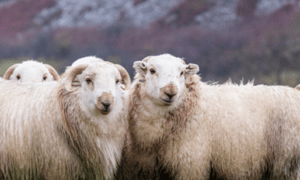
2026 could bring small cheer to hill farmers in Wales, with the price of wool starting to rise slightly, because fewer than ever are turning to this hard way of life, and past lessons should be learned on how low the price still is.
Recent figures showed that there were nearly 12 million Welsh sheep in the 1990s, but four years ago that number had fallen to 8.75 million – well behind poultry farming.
National Farmers’ Union Cymru’s (NFUC) food and farming adviser Dafydd Jarrett has declared that disease meant fewer lambs were being born, and farmers were also keeping fewer animals because of rising costs, adding: “Fertiliser costs have gone up, feed costs have gone up”.

Falling sheep numbers also means fewer being slaughtered, with all the consequent hit to the Welsh economy that entails.
“Processers are quite worried they’re not getting the amount they used to through their abattoirs”, stated Mr Jarrett. “They are finding it difficult to source enough lambs for customers”.
The difference in chicken and sheep numbers was down to demand, he said.
“The main reason is the price, there is a price differential. Welsh lamb is targeting the higher end of the market but chicken is more of a commodity market.”
“The decline in sheep in Wales is definitely quite stark”, proclaimed Royal Agricultural University (RAU) senior animal welfare lecturer Dr Lisa Morgans.
She said there was “declining consumption of lamb and beef in the UK over the last couple of decades that has matched the decrease in people’s cooking times: the average time per household is down to 15 minutes a day”.

“In the last few years we have had Brexit, leading to a slow decrease in subsidies for farms which has changed the business landscap.
“That might have caused individual farmers to think about moving to different sectors. Then there was the Covid pandemic and the impact of that.”
Hybu Cig Cymru (HCC) (Meat Promotion Wales) Chairwoman Catherine Smith said breeding ewes were down one per cent since 2023, meaning fewer lambs would be born.
So the most recent news of a slight uptick in the price of wool is unlikely to bring much joy, as the industry has been in a long decline.
In 1952 a kilogram of raw wool sold for £17.50 on average, at today’s prices, but in 2022 that figure was down to just 73p.
However at Bradford a few weeks ago, the average price of clean wool was at its highest in nearly a decade: £1.82 per kilogram, an increase of 26 per centB since September.
In 2024 Billy Hewitson, head of operations at British Wool, announced in words that have echoes of today: “The wool industry has been through some tough times, there’s no getting away from that, but the future is looking rosy“.
“We have manufacturers from across the world – particularly China – bidding at our sales and this trend of increasing prices is continuing.
“We are at a resurgence stage for wool, and I can’t see that stopping.”
Jim Robertson has a flock of 950 cheviots on his farm near Langholm, which costs him more than £2,000 to have sheared each year.
Mr Robertson, who is also chair of the British Wool co-operative, said: “When you wear wool you know you have something special on your back.
“I believe we are finally getting away from fleeces being seen as a throw away product. The price of fleeces will now be covering the cost of shearing again – which it wasn’t for quite a while – and that can only continue.”

So it is obvious that this year may be a time for a small celebration, although the long term future for sheep farmers in Wales looks bleak…
Tomorrow – as the UK Government announces plans to upgrade rail links in the north of England, and admits that the HS2 planning has been disastrous, our Editor, Welshman Phil Parry, looks at how scepticism should always be the watchword.