











- Back to the future - 17th November 2026
- Social butterfly - 16th November 2026
- Court behind again - 14th November 2026

The power today of social media (all of The Eye’s stories are put there), is underlined by growing concern among executives that films released this way have become blockbusters and eaten into their bottom line.
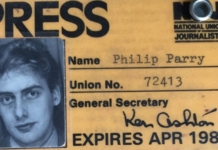
The media landscape has changed beyond all recognition from when I started my journalistic career in 1983.
Today if you are not on social media (The Eye IS) it’s game over.
Yet Hollywood executives are worried, because the costs of these companies are much lower, so they can churn out blockbuster films for less, and disrupt their traditional business model.
Take, for example, just one of them – YouTube.
It benefits from a business model that has less risk than most.
Whereas studios and streamers pay upfront to commission content, and own or license the resulting work, YouTube usually pays nothing in advance, but instead takes a 45-55 per cent cut of advertising revenue and channel subscriptions.
 This ‘pay-for-performance’ approach makes YouTube less of a hostage to fortune than its peers in the media world, who can waste huge sums on films that bomb.
Its effect on the media zeitgeist has been palpable this year.

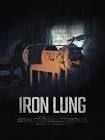 After the film “Iron Lung”, two young directors who honed their craft on YouTube, released “Backrooms” and “Obsession”, which became blockbuster movies and the talk of Hollywood.
The platform’s disruptive force has become increasingly evident on TV.
Nielsen, a data gatherer, measured YouTube’s share of America’s TV watching at 15.8 per cent in August, almost as much as Netflix and the streaming services of Disney, Paramount and Warner Bros combined.
That is double its level in early 2023, when YouTube overtook Netflix as the biggest streamer.

When it comes to attention, “YouTube is by far the biggest winner”, declared Ernesto Pagano of BCG, a consultancy.
The platform’s economic heft is becoming more apparent.
For the first time this year it disclosed annual revenue, reporting $60 billion from adverts and subscriptions in 2025.
That was more than Netflix’s $45 billion and far more than other streaming platforms.
Measured by the cash it is handing over to creators, it is also comfortably outspending its peers on content, and the more content YouTube streams, the more data it has to improve its algorithm, further boosting viewer engagement – and revenue.

YouTube’s megabucks mean it is also investing in more traditional fare such as sports.
Next year it will offer on its platform the ad-supported tier of Peacock, the streaming service of NBCUniversal, at no charge for its Premium subscribers.
Its creators, as they earn more money, are pouring it back into making longer, more professional shows.
So ignore social media for journalism today, at your peril.

That’s where it’s at…
The memories of The Eye’s Editor, Welshman Phil Parry’s astonishing decades long award-winning career in journalism (when social media was not a thing at the beginning), as he was gripped by the rare disabling condition Hereditary Spastic Paraplegia (HSP), have been released in a major book ‘A GOOD STORY’. Order the book now!
Tomorrow – how at the start of 43 years in journalism Phil would write stories on typewriters, and now they’re on a computer, but he is loathe to glamorise the past as it was a time of grinding poverty as well as poor health care, and now this is put centre stage by a new book entitled ‘The Grim Old Days’.