- Another kill zone - 6th October 2026
- War games part one - 6th October 2026
- Poll to poll - 5th October 2026
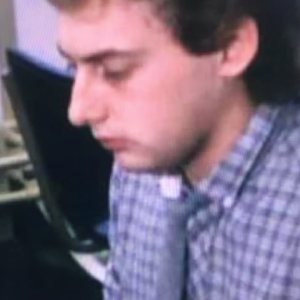
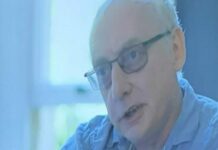
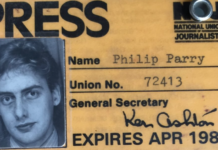
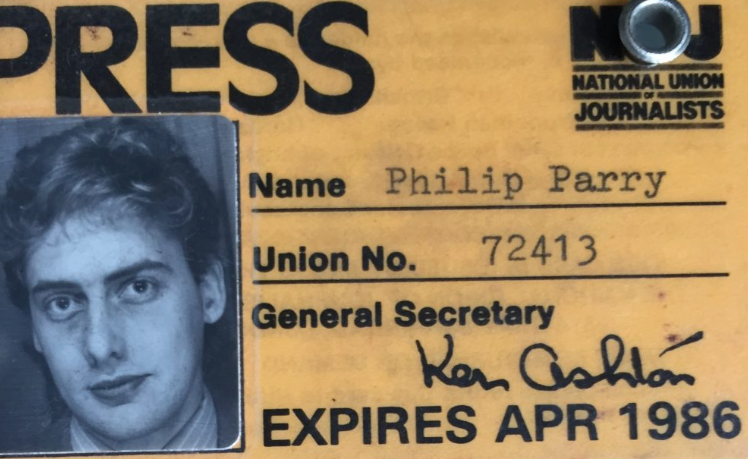
During 23 years with the BBC, and 42 years in journalism (when he was trained to use clear and simple language, avoiding jargon) our Editor has always been lucky to work in a largely free environment, and this is now underlined by today’s much-anticipated strike on Iran, when one of the explicit war aims is to restore critical, open expression.
The aims are sound, but make no mistake, today’s strikes on Iran are a BIG risk.
Toppling the extreme Islamic regime (Donald Trump has said he wants this), could lead to a flood of refugees, a long drawn-out war in a region where this is common, and a wider conflagration.
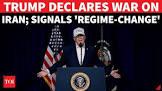 Addressing “the great, proud people of Iran”, the American president promised “the hour of your freedom is at hand” and that once “we are finished, take over your government.
“It will be yours to take. This will be, probably, your only chance for generations.”
This is different to what happened in the summer for a number of reasons.
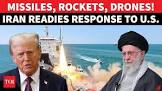 First, America and Israel have begun the war together, and Mr Trump is not waiting to see how things progress before deploying long-range bombers.
America has sent an armada capable, along with the Israelis, of launching hundreds of strike missions for days, perhaps weeks, to come.
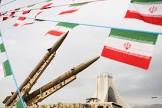
Second, the war aims are much broader, stretching to regime change along with media freedom.
Third, the Iranian response has come much faster than it did last year, and the regime has aimed its retaliation at a much wider range of targets.
But if it pays off (the jury is out) it may be worth it.
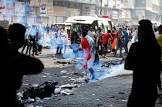
Opposition activists say 36,500 protesters could have died in January at the hands of Iranian forces, and (my own area of interest) a brutal crackdown on the media has been ramped up.
The situation was bad enough anyway!
All broadcasting from Iranian soil is controlled by the state and reflects official ideology.
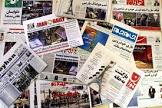
Iran is one of the world’s most repressive countries for journalists, according to Reporters Without Borders (RSF).
They are “constantly subjected to intimidation, arbitrary arrest and long jail sentences imposed by revolutionary courts at the end of unfair trials”.
Debate in the press takes place within legal restrictions and unwritten red lines.
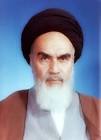
Criticism of Islam, the late Ayatollah Khomeini or Supreme Leader Ayatollah Ali Khamenei (whose headquarters have been targeted in today’s action), is not tolerated in the domestic press or broadcast media, and nor is questioning the legitimacy of the Islamic Republic.
Dozens of Persian-language stations are forced to broadcast from the USA, Europe or Dubai.
But there is a thirst among ordinary people for accurate information, so western broadcasters, including BBC Persian TV, try to bring news to Iranian audiences which is not tainted by government restrictions.
Their satellite broadcasts, though, suffer constant and deliberate interference from within Iran.
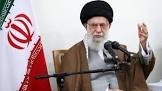
The authorities routinely block or filter websites they consider objectionable, and target content they deem as anti-Islamic.
What is happening now may be difficult to swallow, but perhaps it is a lesser evil than the slaughter of thousands of protesters, or journalists facing “… arbitrary arrest and long jail sentences imposed by revolutionary courts at the end of unfair trials”
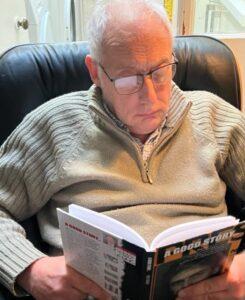
Phil’s memories of his extraordinary award-winning career in journalism (including major stories like these) as he was gripped by the rare incurable disabling condition Hereditary Spastic Paraplegia (HSP), have been released in an important book ‘A GOOD STORY’. Order it now!
Next week – how a complaint received by the outgoing head of the BBC Tim Davie about the standard of its drama output, once again highlights the corporation’s REFUSAL to answer The Eye’s questions concerning the string of scandals which have engulfed the giant broadcaster.