






- Another kill zone - 6th October 2026
- War games part one - 6th October 2026
- Poll to poll - 5th October 2026

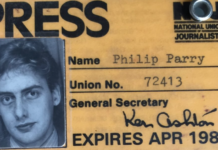
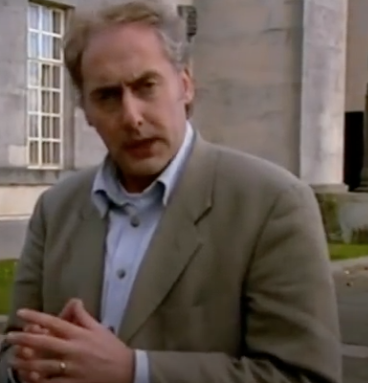
During 23 years with the BBC, and in a 42 year journalistic career (when he was trained to use clear and simple language, avoiding jargon), for our Editor, Welshman Phil Parry, covering major political stories was pivotal, and another major one is developing as Andy Burnham is soon likely to replace Sir Keir Starmer who has resigned, but the danger is that the electorate may now be bewildered because he will be the UK’s SEVENTH Prime Minister (PM) since 2016!
Ignore voters at your peril…
They may become exhausted by the incredible churn rate of those at the top, and constantly having to return to the polling booth.
Ordinary people know as well as anyone that the UK is in a deep financial hole, and that the likely new Prime Minister (PM) (who will be the umpteenth in the last 10 years), Andy Burnham, has promised MORE spending, but hasn’t actually set out how to climb out of this.

Mr Burnham has undeniable strengths, being untainted by the UK Government’s failures and he can talk human.
His net favourability rating (-four percentage points) might seem bad, but it is better than that of any other British party leader (by way of comparison Sir Keir Starmer’s is -45), so Labour MPs look like they will back him in force, convinced that his heart is in the right place, something the bloodless Sir Keir never quite managed.
Wes Streeting, a more centrist rival, has rowed in behind him, so when nominations close on July 15 Mr Burnham is likely to be uncontested (and coronations are NEVER a good thing).

But then Mr Burnham will face hard reality, because tackling deeply entrenched problems is urgent, and it will require a relentless focus on the future not the 1980s.
The electorate may become exhausted by this merry go round of new faces (showing perhaps voter fatigue), but they are already angry that none of them seem to have tackled the appalling economic issues.
A main reason they seethe at governments of all stripes is that their living standards have stagnated.

Mean wages have grown by just one per cent in real terms since Labour took office in 2024, and by a paltry 4.5 per cent since April 2008 (a third as quickly as American wages).
More trouble could lie ahead too, if Artificial Intelligence (AI) displaces the legions of white-collar knowledge workers who make up the UK economy’s backbone.
Low growth is also bad for the ailing public finances.
Public spending has risen from 39 per cent of Gross Domestic Product (GDP) in 2019-20 to 45 per cent today.
An ageing population and rising defence commitments could push it higher still, with tax revenues (37 per cent of GDP) struggling to cover this largesse.
Nor will greater borrowing help, because debt interest this year will cost £109 billion (more than the education budget), and bond investors charge the UK higher interest rates than any other big rich country, so they jump at the slightest hint of profligacy.
It could be argued that we have witnessed something of the same in Wales with a myriad of new faces to get used to as ministers or First Ministers (or First Secretarys) come and go.
The original Rhodri Morgan government, for example, was formed on October 16 2000, and was a coalition with the Liberal Democrats, officially referred to as the ‘Coalition PARTNERSHIP’, when important jobs were doled out to people from another party.

Then there is the Welsh nationalist party Plaid Cymru (Plaid) (now in power). Their politicians served as ministers in another coalition government with Labour in Cardiff Bay from 2007 to 2011.
There’s a new First Minister of Wales (FMW) (Rhun ap Iorwerth) too, for voters to get used to.
So it won’t be easy for our likely new PM Mr Burnham. It is even worse, though, for the poor voter…
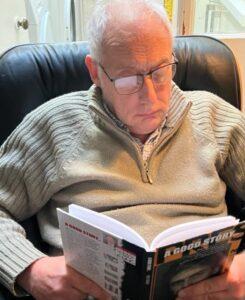
The memories of Phil’s extraordinary decades long award-winning career in journalism (when the turnover of senior political leaders was nothing like as great as today in the beginning), during which he was gripped by the rare neurological disabling condition Hereditary Spastic Paraplegia (HSP), have been released in a major book ‘A Good Story’. Order it now.