






- Food, glorious food… - 26th October 2026
- I predict a riot - 23rd October 2026
- Big is beautiful - 22nd October 2026
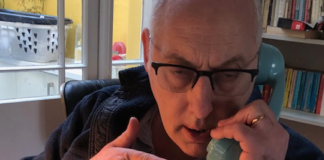
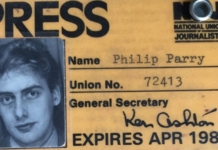
During 23 years with the BBC, and in a 43 year journalistic career (when he was trained to use clear and simple language, avoiding jargon), for our Editor, Welshman Phil Parry, it has always been central to keep up with changing tastes, and this is underlined today in much of the developed world (including in Wales) by crackdowns on junk food.
We see it everywhere.
Young people on their way to the gym, carrying a bottle of water, and eschewing junk food.
All of this is to be applauded.
But while the facts seem clear, the methodology behind them are not.
Is it the state taking a lead in persuading everyone to eat fewer snacks, and food high in sugars, or would this have happened anyway, so we should NOT tell people what to do?

The jury is out.
Evidently the Welsh Government (WG) (the last administration, but probably this one too) is in the first camp, because as of this year, a fierce crackdown on junk food has come into force.
Snacks high in sugar, fat and salt have not been allowed to be displayed at tills or the end of aisles from March, and they mirror policies introduced in England.
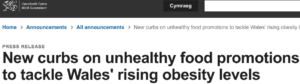 The Food (Promotion and Presentation) (Wales) Regulations 2025 aim to reshape how shops promote less healthy foods, and the WG say they are “targeting what experts identify as one of the key drivers in the obesity challenge”.
Dr Julie Bishop, director of health improvement at Public Health Wales (PHW) welcomes the legislation but said it is just one step in a “wide range of actions” needed to achieve change. “This legislation is about giving the customer more choice, it will help level the playing field between the consumer and the retailer”, she declared..
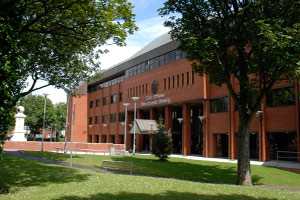
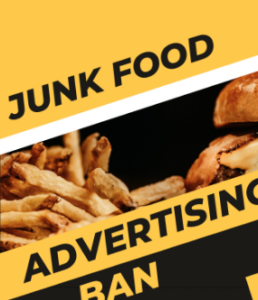 Last year Cardiff Council (CC) said it was restricting junk food advertising on all council-owned assets.
The policy, aimed at supporting public health, sustainability, and community wellbeing, set out new standards and had a particular focus on the promotion of healthier food and drink options.
A key feature of the new policy is its strengthened approach to the advertising of foods and drinks high in fat, salt, and sugar (HFSS).
Recognising the significant influence advertising has on dietary behaviours – especially among children and young people – the council embedded restrictions on HFSS advertising across its platforms. So..
- Advertising featuring HFSS products are restricted on all council assets
- Brand advertising is permitted, but only if no HFSS products are featured directly, encouraging companies to spotlight healthier options
- All proposals for HFSS-related advertising require council approval, ensuring careful consideration of placement and content
- Food and drink brands are encouraged to promote non-HFSS products
This move aligned with the WG’s Healthy Weight: Healthy Wales strategy.
The Vale of Glamorgan (VoG) council has also introduced a similar ban, becoming the first local authority in Wales to restrict junk food advertising across its assets.
it’s not just in Wales either that we see junk food being blamed for obesity.
In Colombia for example, a quarter are obese, according to the UN’s World Health Organisation (WHO), a share that has risen fivefold since 1980, and diabetes, high blood pressure as well as kidney disease (all chronic conditions associated with obesity) are rife.

In 2022 the previous government required all processed food with high levels of sugar, salt or the unhealthiest forms of fat to be labelled as such, with big black warning signs, and it imposed a 10 per cent tax on such products, which rose to 15 per cent in 2024 and 20 per cent last year.
But are these policies the way forward? Some do not think they are, and believe this is heavy-handed.
Between 1992 and 2020 the UK adopted no fewer than 14 official plans to curb rising obesity (not counting the initiatives of devolved governments in Northern Ireland, Scotland and Wales), and those plans involved 689 individual policies.
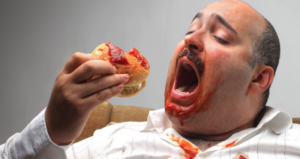
The majority aimed to make consumers more aware of the health risks of junk food and to provide better access to healthy alternatives, especially in schools.
However none banned any forms of junk food, only three per cent restricted access to it and only two policies (or 0.3 per cent of the total) created any financial disincentive to consume it, such as higher taxes
Ashley Evans from Rhondda Cynon Taf disagrees with these policies, as he says people should be allowed to make their own choices about what they eat. “It’s all about the nanny state. It’s all about people telling us what we should do and what we shouldn’t do”, he proclaimed.

“We should make our own choices. We don’t need politicians. We don’t need the Welsh government to tell us what we can eat, what we can’t eat, what we can drink, what we can’t drink, how we should live our lives. How are they the moral guardians for wellbeing?”
This is an eternal debate, and one which ‘the nanny state’ appears to be winning.
Just look at all those hundreds of policies in the UK to restrict junk foods…
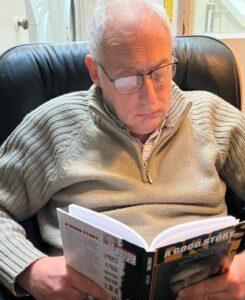
The memories of Phil’s decades-long award-winning career in journalism as he was gripped by the rare disabling condition Hereditary Spastic Paraplegia (HSP), have been released in a major book ‘A GOOD STORY’ (when LOTS of cups of tea were drunk, but no junk food consumed, writing it!). Order it now!